Giving New Mexico farmers, producers, and local food retailers the tools to GROW.
 Exploring the Benefits was a small-scale research project that used qualitative methods to explore patient and food supplier perspectives about use of local food in FreshRx, a PPR program in New Mexico. While a small body of research has incorporated the use of qualitative methods, such as PhotoVoice, to examine participant experiences in PPR programs, limited work has used these methods to examine a clinic food bag distribution model (Center for Outcomes Research and Education , 2016; Riemer, 2019; Riemer et al, 2021). Additionally, very limited work has examined the local farmer perspective, and our study provides a unique contribution to the PPR evaluation literature by connecting the perspectives of the local farmer, food hubs, and patients (Shostak et al, 2025).
The supply chains presented in this research (and the farmers, food hubs, and CBOs that comprise them) are good examples that fit within the supply chain responsibility and SFSC framework literature, as they are not simply focused on profit-making activities, but rather have connections to community, place, land, and people that motivate their work and their priorities. Interviewees revealed that their ‘place identity’ is inspiring them to consider motivations beyond profits (Zhao et al, 2025) that are more socially and community-oriented. Furthermore, as is noted in recent literature on food system resiliency ( High Level Panel of Experts , 2025), part of what is needed to create "equitably transformative resilience" is to move beyond value chain/supply chain thinking to a wider vision that incorporates the necessity of community control over food systems (Anderson et al, 2026), similar to what has been demonstrated in this study.
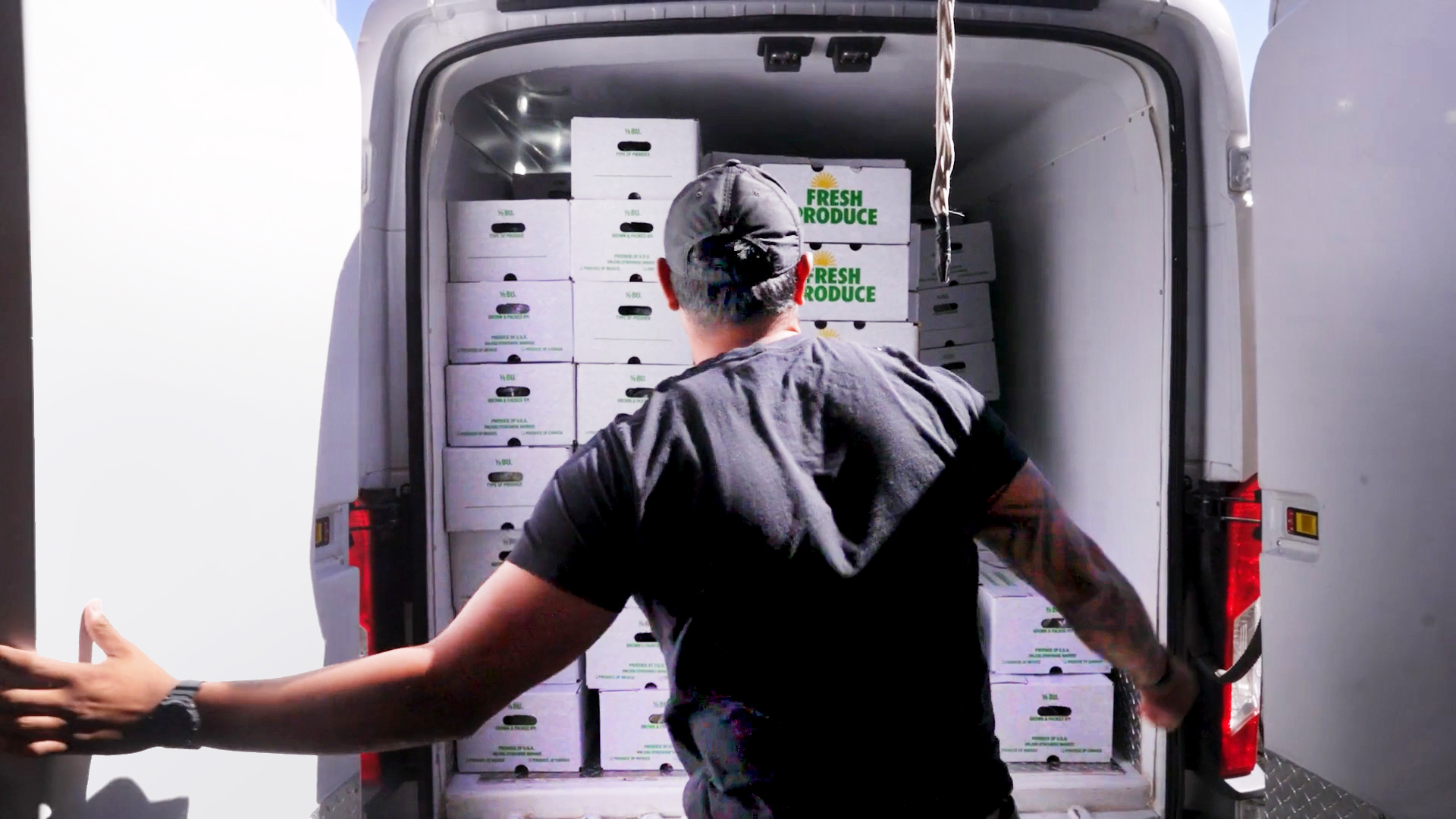
It is important to also note that these local FSCs are in many ways completely different supply chains than the industrial/ non-local food system, and it remains difficult to compare them in terms of scale/ volume/ price/ etc. The local FSCs cannot and should not simply replace the non-local; however, local food can take on an increasingly larger proportion of food being provided to communities and can help especially in reaching remote communities. For example, one of the suppliers noted that “ a big part of what we do is help maintain distribution routes throughout the state that are not financially beneficial for a for-profit company to do, because it's hard to make money on distribution. So we help maintain a route north to south, working with partners and food hubs throughout the state, farmers throughout the state, to help move products up and down and even continue on to kind of the northeast and northwest portions of the state.”
As New Mexico continues to work towards more resilient, community-driven, and equitable food systems, this report highlights the benefits of supporting expanded rural delivery routes, engaging in deep community partnerships, and continuing to examine how to fill other infrastructure gaps.
Based on the findings from this study, several opportunities for the future have emerged:
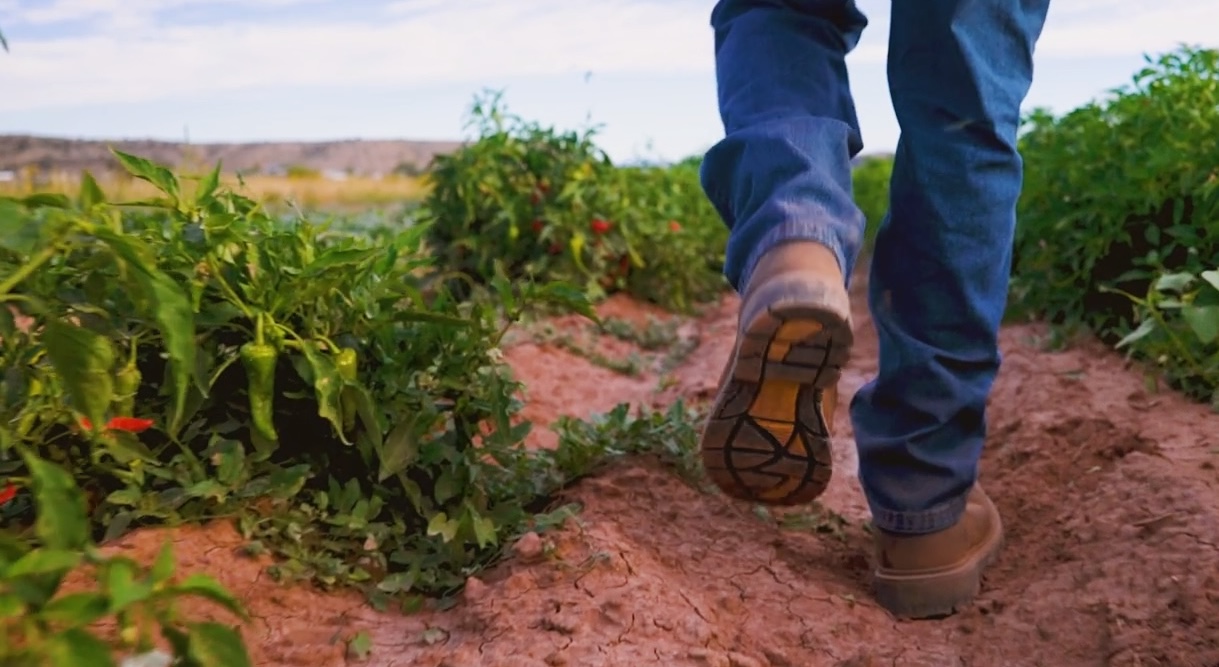 In 2025, the NMFMA led a qualitative research project working in partnership with FreshRx patients and food suppliers to explore the benefits of using local produce in FreshRx, a PPR program. Patients valued the produce as they were able to incorporate it into their family meals, and they appreciated the ability to access fresh food from local farmers. Suppliers expressed close alignment with program goals such as improving food access and highlighted a connection to the communities and populations where their food is going. Suppliers also emphasized the importance of collaboration, relationships, community, and resilience within local food systems work.
The experiences and voices of the patients and suppliers portrayed in this study offer a powerful lens for gaining a deeper understanding of the FreshRx program and broader local food systems in New Mexico. Findings from this study will also be relevant in other settings, especially those in sparsely populated rural geographies with high rates of poverty and food insecurity and where local food sourcing is possible. Local food sourcing has been and should continue to be an important part of PPR and other Food is Medicine initiatives as it provides market outlets for local producers, strengthens community, and can reach populations that are more difficult to access.